

Greater Chattanooga, Tennessee: A Scenic Region with Urban Convenience and Small-Town Warmth
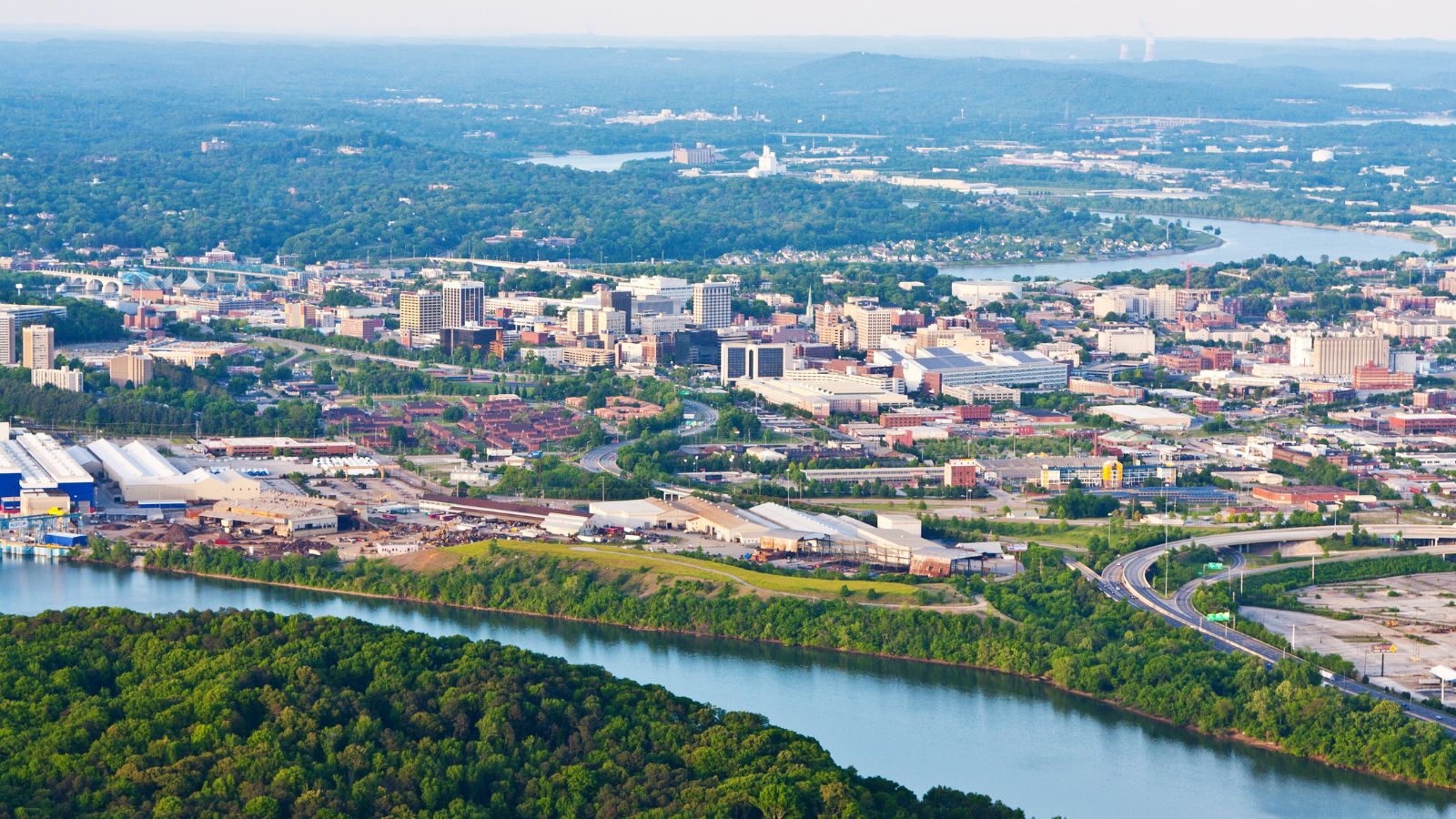
Greater Chattanooga offers an inviting blend of natural beauty, vibrant neighborhoods, and a growing economy that continues to attract new residents. The region is known for its riverfront scenery, thriving downtown, and strong sense of community. People appreciate the balance between outdoor adventure, cultural amenities, and the connected feel of the local neighborhoods. Whether exploring local shops, enjoying a scenic overlook, or spending time at one of the region’s parks, Greater Chattanooga provides a welcoming environment that feels grounded and comfortable. Its location along major transportation routes adds convenience, while the community atmosphere brings a relaxed, friendly energy that appeals to individuals, families, and professionals alike. The area’s steady growth, revitalized districts, and emphasis on quality of life make Greater Chattanooga a compelling place to call home.
What Is the History of Greater Chattanooga, Tennessee?
Greater Chattanooga’s history begins with its position along the Tennessee River, a location that supported Indigenous cultures for centuries before European settlement. The area later grew into a crossroads for trade and transportation due to its river access and surrounding mountains. In the early 19th century, Chattanooga developed as a trading post and river port, gradually evolving into a commercial center. The arrival of major rail lines strengthened the city’s role in regional commerce and helped shape the early economy. This transportation network also contributed to Chattanooga’s strategic importance during the Civil War, with several key battles fought in and around the city.
Following the war, Chattanooga entered a period of industrial expansion. The region became known for manufacturing, rail transport, and iron production. Factories, mills, and warehouses supported job growth, attracting workers from surrounding counties. As the city expanded, neighborhoods developed around streetcar lines and major employers. Early downtown commercial blocks, riverfront warehouses, and brick industrial buildings remain important parts of Chattanooga’s architectural character.
By the mid-20th century, the decline of heavy industry brought economic challenges along with environmental concerns. Local leaders began working toward revitalization, and by the 1990s, large-scale redevelopment projects transformed Chattanooga’s future. Investments in the riverfront, the creation of the Tennessee Aquarium, and the growth of tourism contributed to a new era of progress. Technology, healthcare, education, and outdoor recreation became central to the region’s identity.
Today, Greater Chattanooga is recognized for its blend of historic preservation and modern development. The economy has diversified, neighborhoods have grown stronger, and public investments have enhanced parks, walkways, and community spaces. The region continues to honor its heritage while embracing innovation, offering residents an engaging mix of tradition, progress, and local pride.
Homes for Sale
What Is Life Like in Greater Chattanooga, Tennessee?
Life in Greater Chattanooga is shaped by its strong community ties, scenic surroundings, and steady pace. Residents enjoy a lifestyle that supports recreation, cultural engagement, and everyday convenience. Outdoor activity is part of daily life thanks to the region’s mountains, waterways, and mild climate. People frequently spend time hiking local trails, kayaking along the river, or visiting one of the many parks spread throughout the city. The natural landscape is woven into the fabric of the community, giving residents easy access to fresh air and open spaces.
Dining options reflect the city’s growth and diversity. Local restaurants, cafés, and bakeries offer a wide range of cuisine, from Southern comfort foods to modern farm-to-table dishes. The city’s revitalized districts include casual eateries, local breweries, and small businesses that contribute to an inviting atmosphere. Shopping opportunities range from neighborhood boutiques to larger retail centers, providing convenient access to everyday essentials and unique finds.
Arts and culture play a significant role in local life. Museums, galleries, and music venues host events throughout the year. Festivals, markets, and community gatherings offer neighbors opportunities to connect and celebrate local traditions. Seasonal events along the riverfront and in public parks bring residents together for entertainment, food, and social connection. The region’s walkable districts and pedestrian-friendly public spaces encourage residents to engage with their surroundings.
Families appreciate the area’s focus on education, safety, and community support. Professionals benefit from a growing job market and convenient commutes throughout the region. Whether enjoying a quiet evening at home or exploring local attractions, residents find that Greater Chattanooga offers balance, variety, and a lifestyle centered on accessibility and connection.
What Neighborhoods Stand Out in Chattanooga, Tennessee?
Greater Chattanooga includes a diverse collection of neighborhoods within the city, each offering its own character, appeal, and amenities. These five neighborhoods are among the most well-known and desirable areas for those considering a move to Chattanooga.
Downtown Chattanooga: Downtown serves as the city’s energetic center with a blend of residential buildings, businesses, restaurants, and cultural attractions. Residents enjoy walkable streets, easy access to the Tennessee River, and a variety of entertainment options. The area includes renovated lofts, modern condos, and new apartment communities that suit a range of lifestyles. Landmarks such as the Tennessee Aquarium, Walnut Street Bridge, and local museums add vibrancy to the district. With its dining variety, riverfront parks, and year-round events, downtown appeals to professionals, students, and anyone who prefers an active, urban environment.
Northshore: Northshore sits just across the river from downtown and is known for its inviting atmosphere and local charm. The neighborhood features tree-lined streets, public parks, and a range of independent businesses. Coolidge Park, located along the waterfront, is a favorite destination for picnics, outdoor recreation, and community gatherings. Homes in the area include historic properties, bungalows, and modern infill construction. The neighborhood’s mix of shopping, dining, and green spaces creates a lively yet comfortable setting that attracts families, young professionals, and long-term residents.
Southside: Southside has grown into one of Chattanooga’s most dynamic districts. The neighborhood features a blend of historic industrial buildings, restored homes, and contemporary developments. Local restaurants, art studios, coffee shops, and boutiques create a creative and energetic environment. The presence of public art, markets, and events gives Southside a distinctive character. Housing options include lofts, single-family homes, and townhomes, offering choices for a variety of preferences. Its walkability and proximity to downtown make Southside appealing to those who enjoy vibrant, community-oriented living.
St. Elmo: Located near the base of Lookout Mountain, St. Elmo is one of Chattanooga’s oldest and most picturesque neighborhoods. The area features historic homes, quiet streets, and a strong sense of community pride. Local businesses, cafés, and small shops add convenience and personality to the district. Outdoor enthusiasts enjoy quick access to trails, scenic drives, and the Lookout Mountain Incline Railway. St. Elmo’s charm, architectural character, and friendly atmosphere make it a popular choice for people seeking a historic neighborhood with natural beauty and neighborhood cohesiveness.
Highland Park: Highland Park offers a mix of historic homes, revitalized properties, and newer construction. The neighborhood has experienced a resurgence in recent years as residents invest in restoration and community development. Tree-lined streets and traditional architecture give the area a classic look. Residents value its central location, strong neighborhood identity, and local parks. Highland Park appeals to individuals and families who appreciate a community-focused environment with quick access to downtown and nearby amenities.
Together, these neighborhoods reflect the diverse lifestyle options available in Chattanooga. From walkable urban districts to historic residential areas, each offers its own strengths while contributing to the region’s welcoming spirit.
What Schools Serve Greater Chattanooga, Tennessee?
Hamilton County Schools, a district with a range of academic programs, community involvement, and support services, serves Greater Chattanooga. Public schools offer traditional, magnet, and specialized programs designed to meet the needs of students across all grade levels. Elementary schools throughout the region emphasize foundational learning and student engagement. Middle schools continue that progression with academic support, arts programs, athletics, and extracurricular opportunities.
High schools within Hamilton County offer Advanced Placement courses, career and technical education pathways, and dual-enrollment partnerships with local colleges. Students can pursue interests in engineering, business, health sciences, technology, and the arts through various academic tracks. Chattanooga School for the Arts and Sciences and Chattanooga School for the Liberal Arts are well-known magnet schools that focus on integrated learning and academic rigor. Other high schools provide a strong balance of academics, athletics, and student activities.
Private education options are also available. Several independent and faith-based schools offer small class sizes, college preparatory programs, and specialized instruction. Families can choose from a variety of private institutions based on learning style and educational goals.
Higher education is easily accessible throughout the region. The University of Tennessee at Chattanooga offers undergraduate and graduate programs across many fields. Chattanooga State Community College provides technical training, associate degrees, and workforce development opportunities. Additional institutions and satellite campuses in the region allow students to pursue continuing education, certification programs, and advanced degrees. The availability of both public and private options, along with greater access to higher education, supports a well-rounded educational environment for residents of all ages.
What Is the Weather Like in Greater Chattanooga, Tennessee?
Greater Chattanooga experiences a mild four-season climate with comfortable temperatures and consistent opportunities for outdoor activity. The region averages around 210 sunny days each year, creating ideal conditions for recreation and exploration. Annual rainfall totals about 51 inches, and snowfall is light, averaging roughly 3 to 4 inches per year. Weather patterns support year-round engagement with parks, trails, and outdoor spaces.
Spring brings warming temperatures ranging from the 50s to the 70s. Flowers, trees, and local vegetation begin to bloom, creating a colorful landscape across the valley and surrounding mountains. Residents often take advantage of the season to visit markets, enjoy picnics in the park, and prepare home gardens. Spring showers help maintain the region’s greenery, contributing to comfortable outdoor conditions.
Summer temperatures typically reach the upper 80s with humid afternoons and cooler evenings. The Tennessee River and surrounding lakes offer opportunities for boating, fishing, and waterfront relaxation. Many residents spend time exploring trails or participating in outdoor festivals. Warm evenings offer opportunities to dine outside, attend events, or spend time in local parks.
Autumn is a notable season in Greater Chattanooga due to its colorful foliage and moderate temperatures. Daily highs range from the 60s to the 70s, with cooler nights in the 50s. The mountains and river valleys offer scenic views, and local events, markets, and gatherings make fall a popular time for community participation. The comfortable weather supports hiking, outdoor sports, and exploration.
Winter is generally mild with daytime temperatures in the 40s and 50s. Light snowfall may occur, but accumulation is typically minimal. Residents appreciate the softer winter conditions that allow them to remain active outdoors, visit indoor attractions, and enjoy the peaceful seasonal atmosphere.
How Convenient Is Transportation in Greater Chattanooga, Tennessee?
Transportation in Greater Chattanooga supports easy access to local destinations and major roadways. Interstate 24 passes through the region, connecting residents to Nashville, Atlanta, and nearby cities. Interstate 75 and Interstate 59 provide additional north-south and regional routes. These highways support efficient travel for work, errands, and recreation. Local roadways are well-maintained, contributing to smooth commutes throughout the area.
Public transportation is available through CARTA, which offers bus routes, park-and-ride locations, and a free electric shuttle serving downtown. These services support convenient travel for residents who prefer not to drive in busy districts. The city’s focus on improving transportation infrastructure includes efforts to enhance walkability, bike lanes, and pedestrian-friendly pathways. The Tennessee Riverwalk is a well-known example, offering a scenic route for walking and biking along the river.
For frequent travelers, Chattanooga Metropolitan Airport provides flights to several major hubs. Its proximity to the city allows residents to reach destinations across the country with ease. Additional airports in Nashville and Atlanta are accessible for expanded travel needs.
Daily commutes within the region are generally manageable, and the layout of neighborhoods and districts allows residents to access shopping, dining, and public services with minimal travel time. The combination of highway access, public transit, walkable neighborhoods, and proximity to the airport contributes to a transportation system that is practical and accommodating.
Are You Ready to Call Greater Chattanooga Home?
Greater Chattanooga offers a warm, connected lifestyle surrounded by mountains, waterways, and a vibrant urban core. The region’s neighborhoods, schools, recreational spaces, and cultural attractions create an inviting place to live. Whether you appreciate outdoor adventure, community events, or easy access to amenities, Chattanooga provides a comfortable environment with opportunities for growth and connection. When you are ready to explore homes in the area or learn more about living in Greater Chattanooga, reach out to me for friendly guidance and support as you begin your next chapter in this scenic region.